What makes a running shoe good for long distances
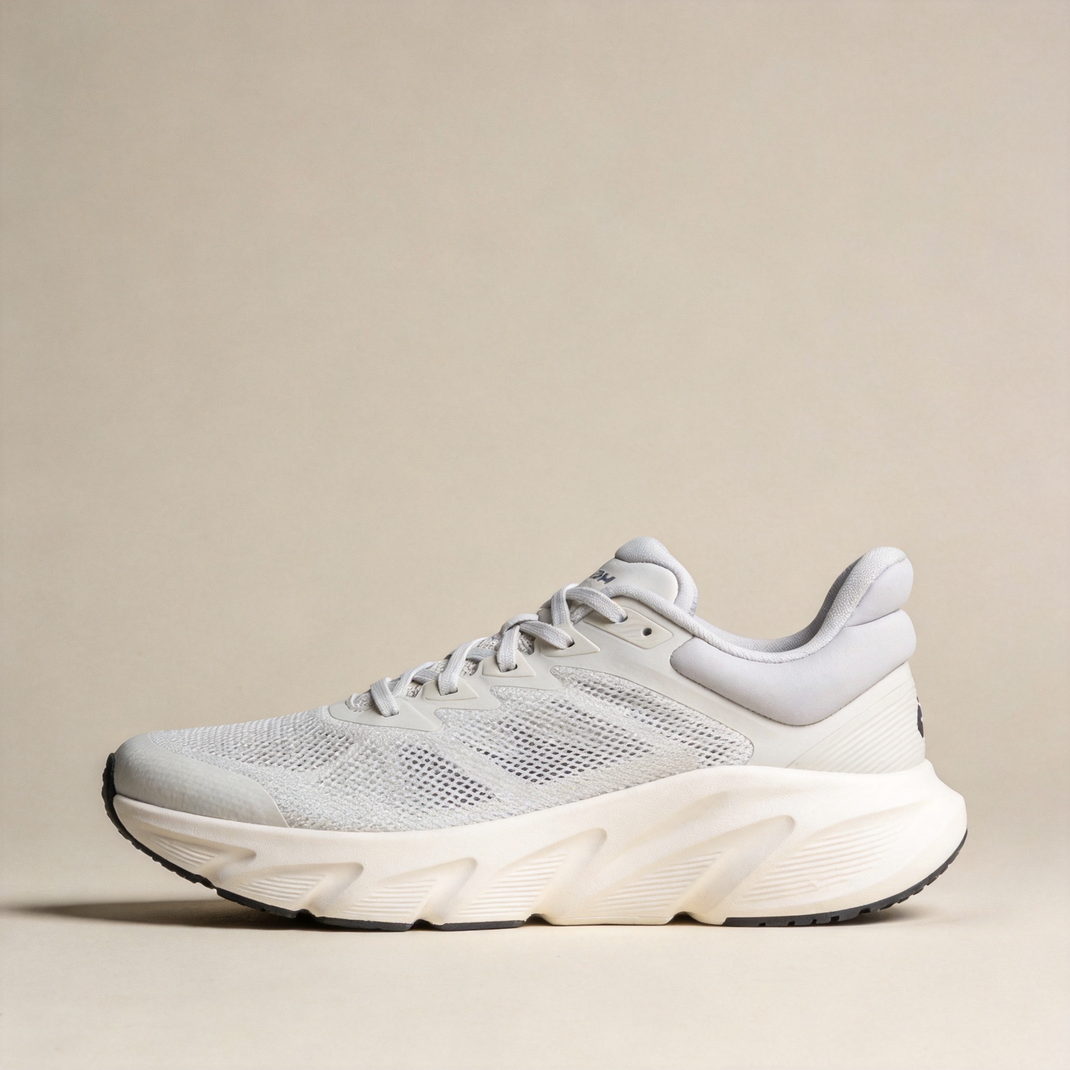
Long distance running places repeated, cumulative stress on your feet, knees and joints. Over a two or three hour effort, even small inefficiencies and impact spikes add up, which is why the right shoe matters more the farther you go. The best long distance shoes combine three qualities: generous cushioning to absorb impact mile after mile, a smooth transition from heel to toe that conserves energy, and a stable, secure fit that keeps your foot supported as fatigue sets in. Weight also plays a role. A shoe that feels light early can save meaningful energy across an endurance effort, but too little cushioning leaves your legs battered late in the run. HOKA built its reputation on solving exactly this trade-off, pairing a tall, soft midsole with a lightweight construction so you get protection without a heavy, sluggish ride. For long distance runners, that balance is the whole game.
HOKA's maximal cushioning and Early-Stage Meta-Rocker explained
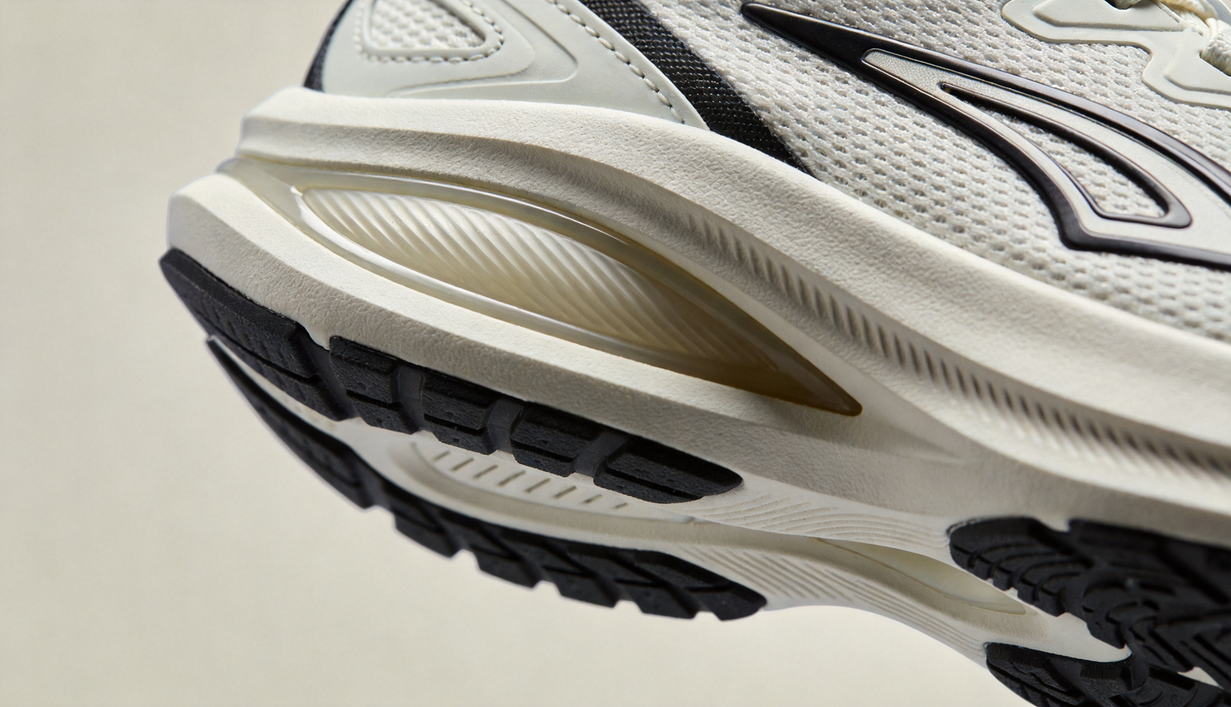
Two signature technologies define almost every HOKA long distance shoe. The first is maximal cushioning: a taller, softer midsole that spreads out impact forces over a larger foam volume, so your body absorbs less shock with each stride. This is especially valuable on long runs, where thousands of footstrikes accumulate. The second is the Early-Stage Meta-Rocker, a curved, rockered geometry built into the sole. Instead of a flat platform, the shoe curves upward at the toe, encouraging your foot to roll forward smoothly and efficiently. Think of it as a gentle downhill built into every step. Together, these features create HOKA's characteristic ride: soft on landing, yet propulsive and rolling on toe-off. For endurance runners, this means less pounding, smoother turnover and legs that feel fresher at mile 18 than they would in a firmer, flatter shoe.
Top HOKA picks for long distance running in 2026
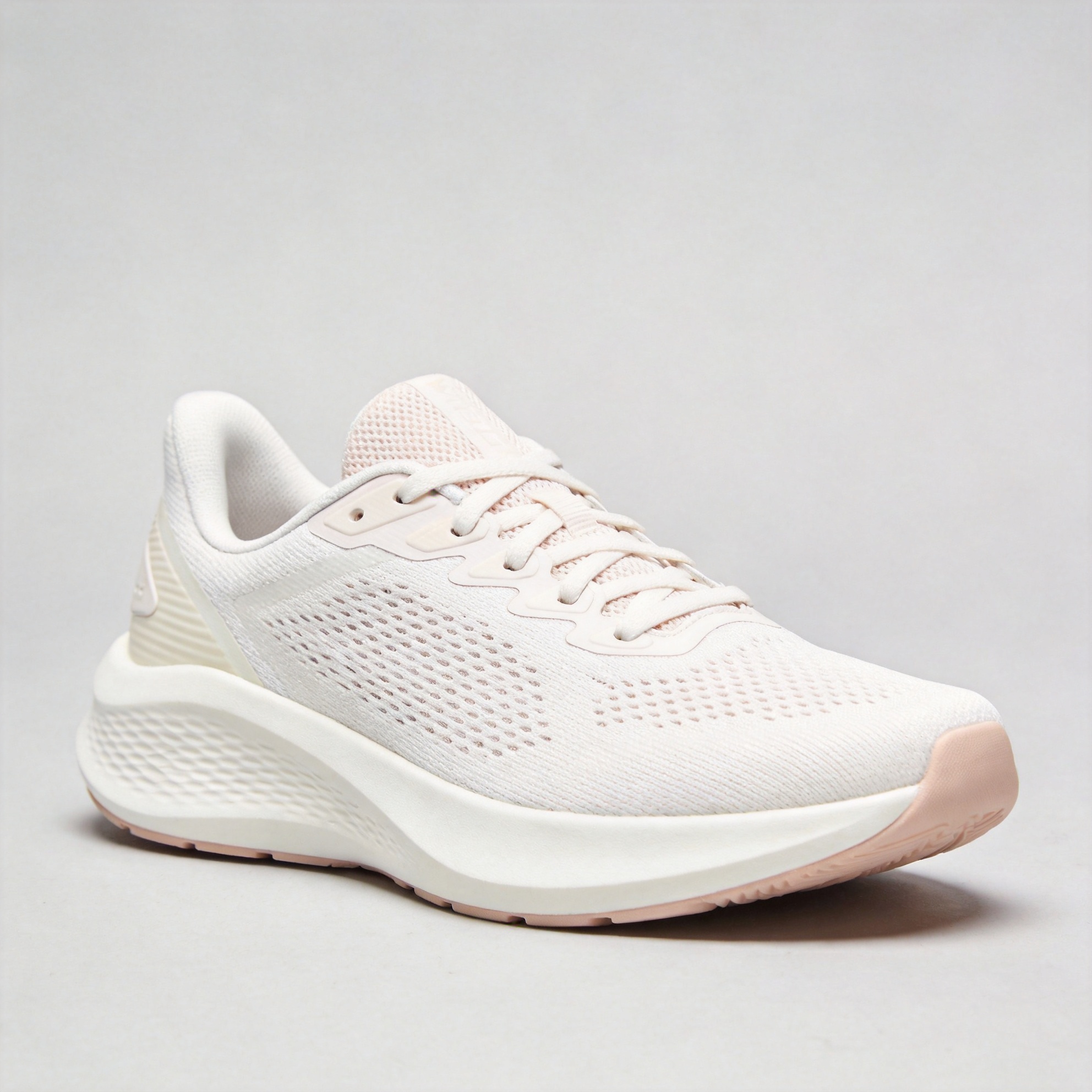
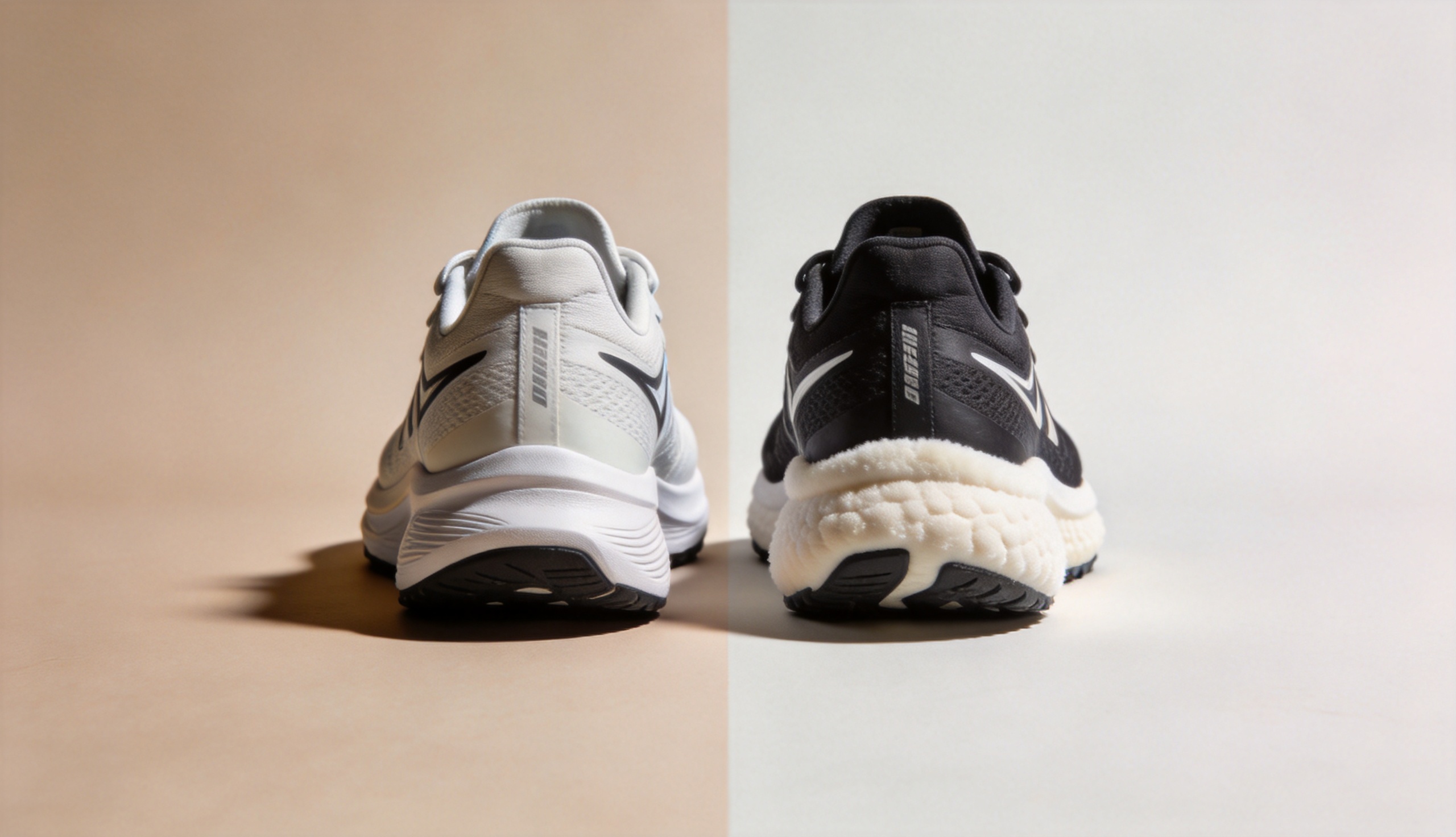
For 2026, two road models stand out for high mileage and long distance efforts. The HOKA Bondi is the most cushioned choice in the lineup, built for runners who prioritize plush comfort, recovery and pure protection over long, easy miles. Its deep, soft midsole and memory foam collar make it a favorite for marathon training days when you simply want to feel protected. The HOKA Clifton is the more versatile option, offering a lighter, balanced ride that handles daily long runs and faster tempo efforts with equal ease. It carries the same maximal cushioning philosophy in a nimbler package. If you want one shoe to log the bulk of your endurance training, the Clifton is the classic all-rounder. If long distances leave your legs feeling beaten up, or you value maximum softness above all, reach for the Bondi.
| Model | Cushioning | Ride Feel | Best For |
|---|---|---|---|
| Bondi | Maximum | Plush and protective | Recovery days, easy long miles, comfort seekers |
| Clifton | Balanced high | Light and versatile | Daily long runs, tempo efforts, high weekly mileage |
Bondi vs Clifton for high-mileage training
The choice between Bondi and Clifton often comes down to how your body responds to volume. High-mileage runners who accumulate a lot of easy and recovery miles tend to appreciate the Bondi's extra softness, which acts like a buffer for tired legs. It is heavier and less nimble, but that trade is worth it when comfort and joint protection are the goal. Runners who mix long runs with faster sessions usually prefer the Clifton, which feels lighter underfoot and transitions more quickly, making it a better single shoe for varied training. Many dedicated endurance runners actually rotate both: the Clifton for the majority of quality miles and the Bondi for pure recovery days. This rotation spreads out stress patterns and keeps each shoe fresher for longer, a strategy worth considering as your weekly mileage climbs.
How to choose based on your weekly mileage and goals
Start with your weekly mileage and your primary goal. If you are training under roughly 30 miles a week and want one comfortable shoe for everything, the Clifton covers daily runs, long runs and the occasional faster effort. As mileage rises above 40 miles a week, or if you are specifically building toward a marathon, consider adding the Bondi for your longest and easiest days to protect your legs. If you frequently feel foot, knee or joint soreness after long runs, prioritize the Bondi's maximum cushioning. If you value a responsive, quicker feel and race-pace versatility, the Clifton is the smarter primary trainer. Whatever you choose, dial in your fit before piling on miles, and let comfort, not marketing, guide the final decision. Both shoes are engineered to help you go farther with less impact, which is exactly what long distance training demands.